Preserved lemons
 Wednesday, July 4, 2018 at 9:36PM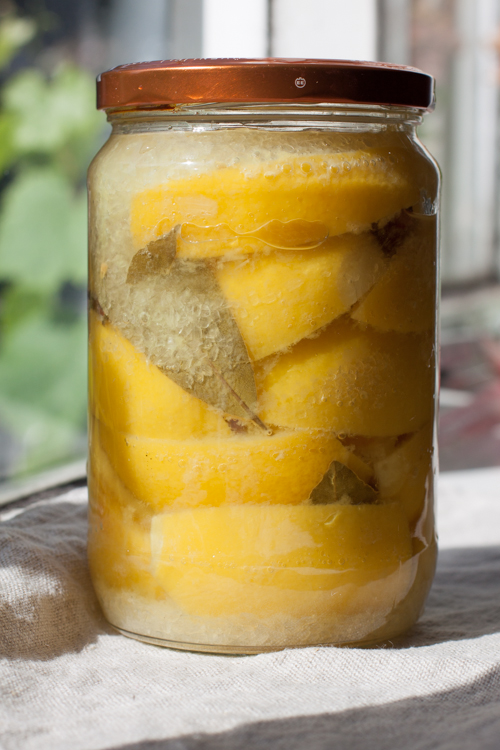
I’ve been eagerly anticipating today for two months now. Birthday? Holidays? No! My preserved lemons are ready.
I love Love LOVE preserved lemons. They transform any dish into something special. I mostly use them in Middle Eastern inspired dishes – tagine, cous cous, Ottolenghi-style salads. They also add an interesting twist to fish dishes, dips and seafood pasta.
I used Amalfi lemons from Natoora for this batch, so I am especially excited about them, but any unwaxed lemons will do. You need to leave them for at least two months before using and they get better and better with age. These ones are still yellow, but my Dad used to have some so old they had turned brown. You can still use them, just be aware that their flavour intensifies with age so you don’t need to use very much with very mature ones.